
Dean Dr. Vanessa Clark’s vision connects flexible access with academic rigor, personal attention and a sense of community.
For a working adult pursuing career advancement, a parent balancing classes with family responsibilities or a student living far from campus, access to higher education can depend on how well it fits into an already demanding life.
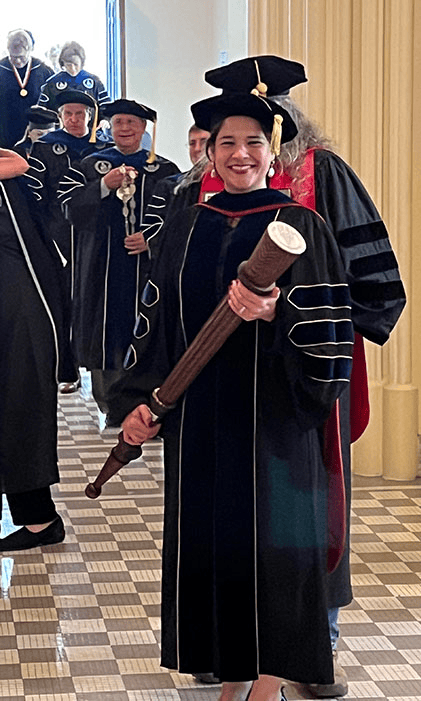
At Our Lady of the Lake University, Dr. Vanessa Clark is approaching distance and online learning with those students in mind—and with an emphasis on what happens after they enroll.
“Providing access is only the first step; helping students succeed and graduate is equally important,” said Clark, OLLU’s dean of distance and online learning.
Her role brings together oversight of the university’s Houston and Rio Grande Valley instructional sites, management of online education partnerships, and collaboration across university divisions on enrollment and academic program development. The purpose is to connect decisions about educational delivery with the academic and personal support students need to complete their degrees.
For Clark, the vision begins with preserving the qualities that make an OLLU education meaningful.
“My vision is for OLLU to offer high-quality, accessible, and engaging educational experiences that meet students where they are without compromising the academic rigor and personal attention that distinguish our university,” she said.
A coordinated approach to the student experience
Clark brings 12 years of experience at OLLU to the position, having served as a faculty member, department chair and associate dean. Those roles have given her a view of how classroom experiences, administrative decisions and student services work together to shape a student’s education.
Now, she is drawing those perspectives together to help guide distance and online learning across the institution.
Faculty contribute expertise in their disciplines and in teaching. Student support professionals help students navigate the resources and processes essential to their progress. Clark’s work connects those efforts, identifies opportunities for improvement and provides direction toward shared university goals.
Having a dean dedicated to this area allows OLLU to take a more coordinated approach to academic quality, student success, enrollment and operations. It also creates an opportunity to examine existing practices before determining the next steps.
During her first year, Clark plans to evaluate current operations, student outcomes, enrollment trends and program demand. That assessment will help inform the direction of the instructional sites and identify opportunities to improve the student experience.
Longer-term priorities will grow from those findings, with decisions guided by evidence, student needs, workforce needs and OLLU’s mission.
Understanding the communities OLLU serves
Houston and the Rio Grande Valley are central to that work. Clark sees both as important OLLU communities whose educational needs deserve individual attention.
“One of my priorities is to better understand the needs of students in each region and evaluate how our academic offerings align with regional educational and workforce needs,” she said.
That means examining each location on its own terms. Students’ circumstances, regional employment needs and demand for particular programs will help shape recommendations for the future.
Online learning offers another way to reach students whose location or schedules can limit their options. Working adults, parents, people outside major metropolitan areas and those preparing for a career change may benefit from greater flexibility.
For OLLU, those possibilities also invite careful consideration of which academic offerings can serve students well and what resources are necessary to sustain them. Clark’s approach links potential growth with program quality, appropriate support and financial sustainability.
Building connection across distance
Flexibility is an essential part of the vision, but so is connection.
Clark emphasizes that meaningful interaction with faculty, classmates and the university community requires deliberate planning. Technology can facilitate those relationships; thoughtful course design, engaged faculty and accessible student services help make them part of a student’s daily experience.
“Our strength is the personal attention, sense of community, and commitment to student success that have long been part of OLLU’s identity,” Clark said. “We should find ways to preserve those qualities regardless of how students access their education.”
That commitment extends to students who may seldom visit the San Antonio campus. Feeling recognized, supported and connected to the university is part of the educational experience Clark wants to strengthen across locations and formats.
It also reflects OLLU’s mission. Flexible educational opportunities can help students facing geographic, financial or scheduling barriers pursue their goals. Online learning can create opportunities to connect coursework with service, community collaboration and meaningful social impact.
For Clark, the university’s mission belongs in every educational experience it provides.
Measuring progress through student success
Enrollment will be one measure of progress, alongside retention, course completion, academic performance, graduation and student satisfaction.
Clark plans to establish meaningful benchmarks, review results regularly and use the findings to guide improvements. The objective is to understand both how students access an OLLUeducation and how effectively the university supports their progress.
That work will also involve evaluating whether systems, processes and resources are keeping pace with student expectations. Some improvements may call for investment; others may come from reconsidering existing practices. Recommendations will be grounded in identified needs and practical, sustainable solutions.
For Clark, the role offers an opportunity to apply her experience across teaching and academic leadership to a broader institutional purpose: helping OLLU respond thoughtfully to the people it serves.
“I believe the future of online education at OLLU is not simply about offering more courses online,” she said. “It is about being intentional in how we design educational experiences, support our students, and respond to changing needs.”
The message she wants students to hear is direct.
“Ultimately, I want students to know that regardless of where or how they study, they are part of the OLLU community and deserve an excellent educational experience.”